How Lubrication Technologies are Shaping the Future of Energy
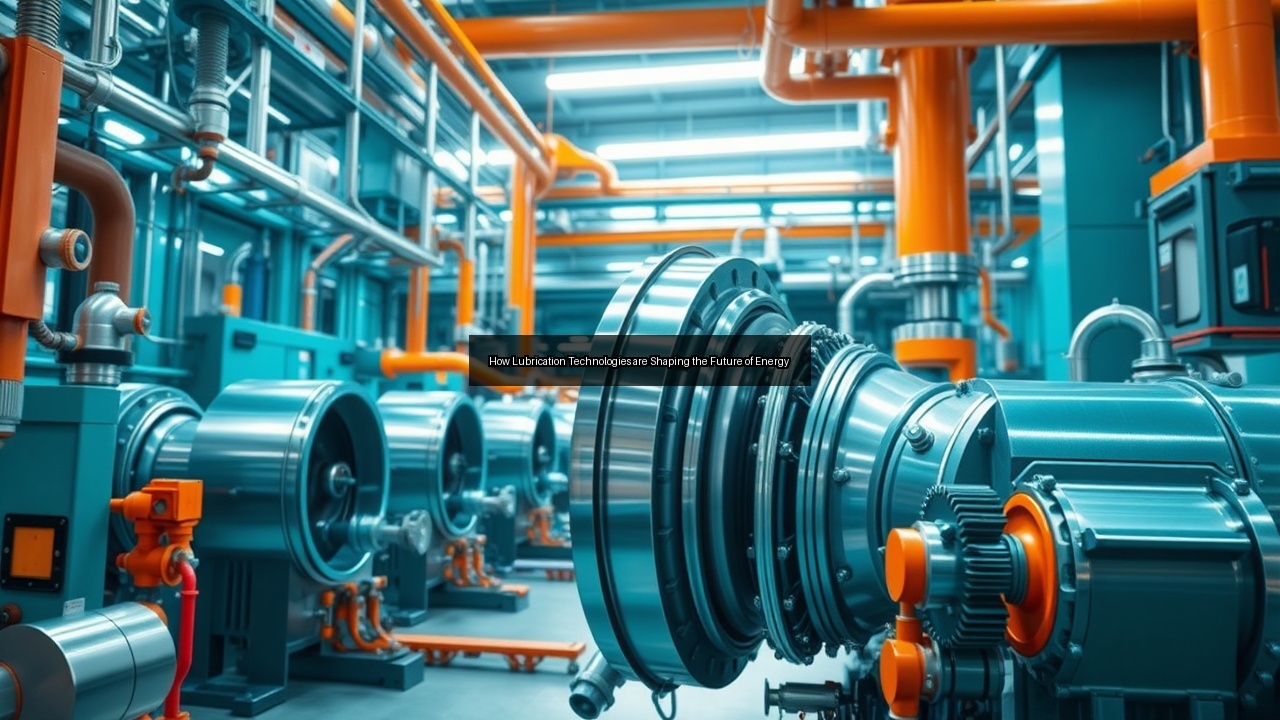
The Role of Lubrication Technologies in Power Generation
Understanding Power Generation Lubricants
Power generation relies heavily on lubricants to ensure optimal performance and efficiency across various types of plants, including hydroelectric, gas, and nuclear facilities. Lubrication technologies play a crucial role in reducing friction and wear in machinery, which directly impacts the reliability and lifespan of critical components. Proper lubrication not only enhances the efficiency of equipment but also minimizes the risk of unexpected failures that could lead to costly downtime. Power generation lubricants must meet stringent specifications to operate effectively under extreme conditions, where heat and pressure are prevalent. These lubricants often include advanced additives designed to combat oxidation, prevent sludge formation, and maintain cleanliness within the system.
Impact on Efficiency and Uptime
Efficient power generation hinges on the uptime of equipment. Lubrication technologies significantly influence both efficiency and operational reliability by ensuring that moving parts can work smoothly without unnecessary friction. High-quality lubricants contribute to reduced energy consumption and enhanced performance of engines and turbines. When equipment operates efficiently, power plants can produce electricity more effectively, thus meeting the demands of the grid. Moreover, reliable lubrication systems help avoid unscheduled maintenance, which can be a significant drain on resources and profitability. By investing in cutting-edge lubrication technologies, power generation facilities can achieve longer operational periods, higher output, and a more stable energy supply.
Types of Lubricants Used in Power Plants
A diverse range of lubricants is utilized in power plants, each tailored to specific needs and operational environments. Mineral oils, synthetic oils, and greases play essential roles in maintaining machinery across various sectors, including gas turbines and nuclear reactors. For example, turbine oils formulated for gas turbines are designed to withstand high temperatures and pressures, ensuring reliable operation during peak loads. Similarly, greases are essential for components that require infrequent maintenance, providing long-lasting protection against wear and corrosion. Understanding the specific requirements of each power generation lubrication application helps in selecting the right lubricant, ultimately enhancing performance and reliability.
Innovations in Lubrication Systems for Renewable Energy
Lubrication Solutions for Hydroelectric Power
Hydroelectric power plants present unique challenges when it comes to lubrication systems. Water presence, varying temperatures, and the potential for contamination demand robust lubrication solutions. Innovative lubricants designed for hydroelectric applications combat the risks of corrosion and wear while ensuring optimal performance of critical components like turbines and generators. Additionally, advancements in lubrication technology focus on enhancing the cleanliness of these systems, reducing the formation of varnish, and extending the life of lubricants. Condition monitoring systems also play a pivotal role, providing real-time data to optimize lubricant use and maintain operational efficiency.
Greases and Oils for Wind Turbines
Wind energy production relies on the efficiency and reliability of wind turbines, making the choice of lubricants crucial. Specialized greases and oils are formulated to withstand extreme weather conditions and the mechanical demands of wind turbine operation. These lubricants must offer excellent protection against wear, resist water washout, and maintain consistency across varying temperatures. Innovations in lubrication technologies for wind turbines enhance reliability, leading to reduced maintenance costs and extended service life. Furthermore, condition monitoring technologies integrated into turbine systems provide valuable insights, allowing for predictive maintenance and minimizing downtime associated with lubricant failure.
Condition Monitoring for Enhanced Reliability
Condition monitoring has emerged as a vital component of modern lubrication systems within the renewable energy sector. By continuously analyzing lubricant properties and equipment performance, operators can identify potential issues before they escalate into significant failures. This proactive approach not only enhances the reliability of power generation equipment but also optimizes maintenance schedules, reducing overall costs. Technologies such as oil analysis, vibration monitoring, and temperature tracking allow for a comprehensive understanding of lubrication conditions. As these systems evolve, they provide actionable insights that drive efficiency and sustainability in power generation operations.
Challenges and Solutions in Power Generation Lubrication
Addressing Varnish and Contamination Issues
Varnish formation and contamination present critical challenges in the realm of power generation lubrication. Over time, varnish can accumulate in lubrication systems, leading to reduced efficiency and potential equipment failure. Contaminants such as dirt, water, and particles can compromise lubricant integrity, further exacerbating these issues. Implementing effective filtration systems and using high-quality lubricants designed to minimize varnish formation are essential strategies for mitigating these challenges. Regular monitoring and maintenance of lubrication systems can help ensure cleanliness, preventing the costly consequences associated with varnish and contamination in power plants.
Cost Management in Lubrication Maintenance
Effective cost management in lubrication maintenance is crucial for power generation facilities aiming to maximize profitability. High-quality lubricants may come with a higher initial investment, but their long-term benefits—such as reduced downtime and extended equipment life—often justify the expense. Power plants should adopt a proactive maintenance strategy that includes regular inspections, condition monitoring, and timely lubricant changes to optimize performance and minimize costs. Additionally, leveraging technology to track lubricant inventory and usage helps streamline operations, reducing waste and ensuring that equipment always operates at peak efficiency.
Expertise in Inventory Management for Lubricants
Proper inventory management for lubricants is a vital yet often overlooked aspect of power generation operations. Maintaining the right balance of lubricants ensures that maintenance teams can respond quickly to equipment needs without overstocking, which can tie up valuable resources. Developing expertise in lubricant inventory management involves understanding the specific requirements of each application, including the types of lubricants needed, their shelf life, and usage rates. Employing advanced inventory management systems can enhance tracking and forecasting, enabling power plants to operate more efficiently while minimizing costs.
Future Trends in Lubrication Technologies for Energy
Advancements in Turbine Oils for Gas and Nuclear Energy
As the energy landscape evolves, advancements in turbine oils become increasingly critical for gas and nuclear power generation. New formulations focus on enhancing thermal stability, reducing volatility, and improving lubrication performance under extreme conditions. These advancements lead to better protection against wear, oxidation, and thermal degradation, ensuring that turbines operate reliably over prolonged periods. With the demand for cleaner energy sources, the development of eco-friendly turbine oils also becomes a focal point, aligning with global sustainability goals while maintaining operational efficiency in power plants.
The Role of Lubricants in Reducing Downtime
Lubricants play a pivotal role in minimizing downtime across power generation facilities. By ensuring that machinery operates smoothly and efficiently, high-quality lubricants directly contribute to the overall reliability of power plants. Implementing advanced lubrication technologies allows for predictive maintenance strategies, reducing the likelihood of unexpected equipment failures. Moreover, the integration of condition monitoring systems enhances the ability to foresee potential issues, enabling timely interventions that prevent costly shutdowns. As power generation continues to evolve, the focus on reliable lubrication solutions will remain a cornerstone of operational excellence.
Sustainable Practices in Lubrication Systems
As environmental concerns gain prominence, integrating sustainable practices into lubrication systems becomes imperative. The focus on reducing waste, improving energy efficiency, and utilizing biodegradable lubricants aligns with the global shift towards sustainability in energy production. Innovations such as the development of recyclable packaging and the use of renewable resources in lubricant formulation reflect the industry's commitment to minimizing its environmental footprint. Implementing these sustainable practices not only benefits the planet but can also enhance brand reputation and compliance with regulatory standards, positioning power generation facilities favorably in a competitive market.
See Also
- The Role of Lubrication in Enhancing Uptime at Power Plants
- The Role of Lubricants in Enhancing Efficiency of Power Plants
- Cost-Effective Maintenance of Power Generation Systems through Lubrication Best Practices
- Why Proper Lubrication is Critical for Turbine Performance
- The Environmental Impact of Lubrication Choices in Energy Generation