Innovative Solutions for Oil and Gas Storage Challenges
Understanding the Importance of Oil and Gas Storage
The Role of Oil Tanks in the Industry
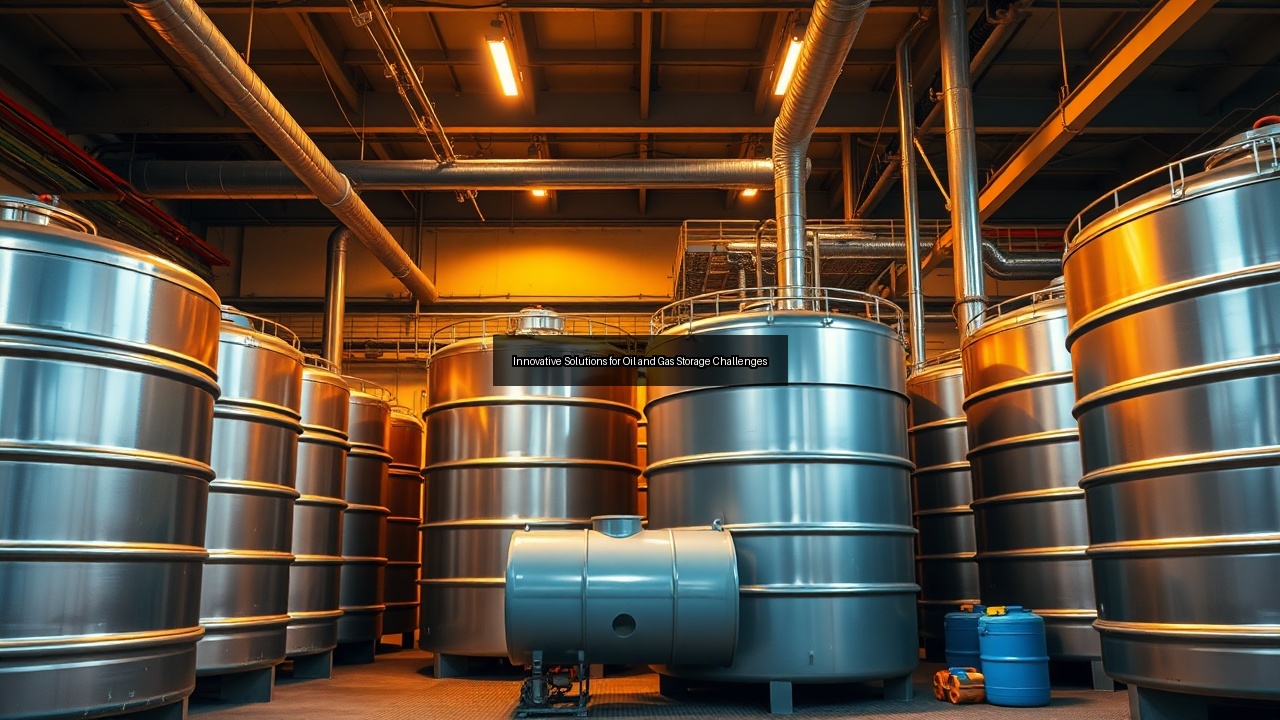
Oil tanks form the backbone of energy logistics by holding crude and refined products before distribution. Operators rely on durable oil storage tanks to maintain supply chains across refineries and terminals. These structures support daily throughput while preventing costly downtime from shortages or overflows. Modern facilities integrate oil tanks with transfer systems that move oil efficiently to pipelines or trucks. Without reliable tanks, production halts and market prices fluctuate sharply. Companies track inventory through gauges and sensors that report levels in real time. Oil storage containers also serve as buffers during peak demand periods when refineries ramp up output. Their design directly influences operational costs and safety records across the sector.
Challenges in Oil Storage Management
Corrosion, temperature swings, and sediment buildup create ongoing headaches for managers of oil storage containers. Leaks from aging tanks threaten both product loss and regulatory fines. Workers must balance filling schedules with demand forecasts to avoid overcapacity. Contamination from water ingress ruins batches of oil and requires expensive filtration. Varying viscosities in different grades of oil demand separate compartments or dedicated tanks. Theft and unauthorized access add security layers that increase expenses. Seasonal weather extremes force adjustments in venting and insulation protocols. Effective management requires precise monitoring of pressure and volume across multiple sites simultaneously.
Environmental Considerations in Oil and Gas Storage
Spill prevention stands at the forefront when companies install oil storage tanks near sensitive ecosystems. Double-walled designs and secondary containment systems capture leaks before they reach soil or groundwater. Operators install vapor recovery units on oil tanks to cut emissions of volatile compounds. Regular integrity testing detects weak spots before failures occur. Compliance with discharge limits protects nearby water sources from hydrocarbon runoff. Sustainable site planning places new storage facilities away from flood zones and wildlife corridors. Waste oil from cleaning operations undergoes recycling rather than disposal. These measures reduce long-term liability while meeting stricter environmental standards.
Innovative Designs for Oil Storage Containers
Advancements in Oil Tank Materials
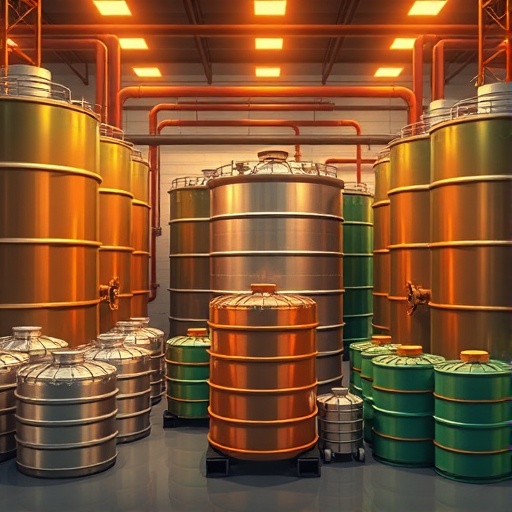
Engineers now select high-strength alloys and composite linings that resist internal corrosion better than older carbon steel. Coatings applied during fabrication extend service life of oil storage tanks by decades. Lightweight yet robust shells allow larger capacities without added foundation costs. Manufacturers test new polymers against aggressive sulfur compounds found in certain crudes. These material upgrades lower maintenance frequency and improve safety margins. Field trials on OnePetro-documented projects confirm performance gains under extreme pressure cycles. Reduced weight also simplifies transport of modular oil tanks to remote locations.
Plastic Containers vs. Traditional Steel Tanks
Plastic containers offer corrosion immunity and lower upfront costs for smaller oil storage needs. They resist rust when storing lubricants or light oils over long periods. Steel tanks still dominate high-volume applications where impact resistance matters most. Operators compare lifecycle expenses, noting that plastic versions require less external painting and cathodic protection. UV-stabilized plastics maintain integrity outdoors without rapid degradation. Steel provides superior fire ratings in high-risk zones. Hybrid approaches combine plastic liners inside steel shells for chemical resistance and structural strength. Selection depends on fluid type, volume, and site conditions.
Gravity Feed Systems in Storage Solutions
Gravity feed setups eliminate pumps by positioning oil storage containers above dispensing points. Fuel or lubricants flow naturally through valves and hoses when needed. This simplicity cuts energy use and reduces mechanical failure points. Installers slope tanks correctly to maintain consistent flow rates across temperature changes. Filters placed inline capture particulates before they reach equipment. Gravity systems suit workshops and farms where electricity access remains limited. Proper venting prevents vacuum lock during drawdown. Maintenance focuses on seal integrity and periodic draining of accumulated water.
Choosing the Right Storage Solutions for Different Needs
Comparing Storage Capacities: Gallons, Liters, and Quarts
Facilities measure oil storage containers in gallons for North American markets while metric regions standardize on liters. A 500-gallon tank holds roughly 1893 liters, allowing easy cross-border planning. Smaller quart containers serve lubrication points where precise dosing prevents waste. Engineers convert between units during international procurement to match existing infrastructure. Drum sizes often sit at 55 gallons or 208 liters for convenient shipping. Matching capacity to consumption patterns avoids frequent refills and associated labor. Oversized tanks tie up capital unnecessarily. Accurate unit conversion supports inventory software that tracks stock across global operations.
Specialized Tanks for Lubricants and Other Fluids
Lubrication systems require dedicated oil storage tanks that prevent cross-contamination between hydraulic fluids and gear oils. Stainless interiors resist additive degradation common in lubricants. Some designs incorporate agitators to keep heavy oils uniform. Quart and drum dispensers integrate directly with these tanks for controlled delivery. Separate compartments handle multiple viscosities without mixing. Operators label every container clearly to avoid errors during transfers. Temperature-controlled versions protect synthetics from breakdown in hot climates. These specialized units improve equipment uptime through cleaner, consistent lubrication.
Caging and Secure Storage Options
Lockable cages surround oil storage containers holding valuable or hazardous products. Steel mesh enclosures deter theft while allowing ventilation. Facilities bolt cages to concrete pads for added stability against impact. Access logs track every entry for compliance audits. Cage designs also shield tanks from vehicle collisions in busy yards. Modular cage panels expand as storage needs grow. Fire-rated versions add extra protection around high-flash-point oils. Secure options integrate with site surveillance for real-time alerts.
Best Practices for Maintaining Oil Storage Tanks
Regular Inspection and Maintenance Protocols
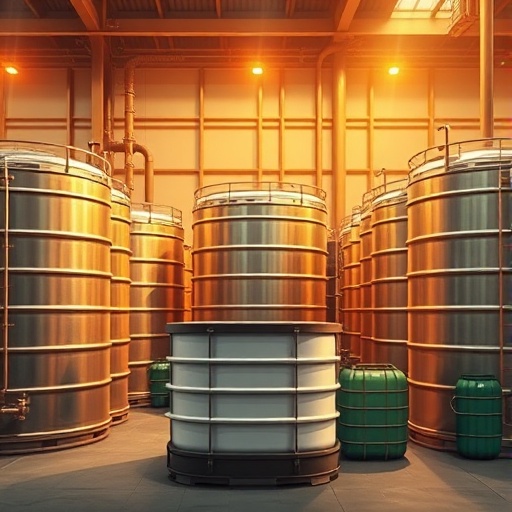
Technicians schedule ultrasonic thickness checks on oil tanks every six to twelve months. Visual exams catch external damage early. Cleaning crews remove sludge from bottoms to restore full capacity. Records document every intervention for insurance and regulatory purposes. Filter replacements occur on fixed intervals based on throughput volume. Calibration of level gauges prevents false readings that lead to overflows. Annual painting refreshes corrosion barriers on exposed steel surfaces. Consistent protocols extend tank life and reduce emergency repairs.
Addressing Common Issues with Storage Tanks
Water accumulation at tank bottoms promotes bacterial growth and rust. Operators drain sumps regularly and test for water content. Sediment buildup clogs outlets and requires periodic flushing. Seal failures around fittings cause slow leaks that demand immediate tightening or replacement. Temperature-induced expansion cracks appear in older welds during cold snaps. Overpressure events trigger relief valves that require resetting after activation. Addressing these issues promptly prevents escalation into major incidents.
Implementing Safety Measures in Storage Facilities
Grounding systems dissipate static during oil transfers to avoid sparks. Fire suppression equipment sits within reach of every oil storage tank. Signage marks hazard zones and evacuation routes clearly. Training drills prepare staff for spill response and valve shutdowns. Personal protective equipment standards cover chemical exposure risks. Emergency shutoff switches halt pumps instantly during detected leaks. Regular audits verify that all safety layers remain functional and accessible.
Future Trends in Oil and Gas Storage Technologies
Smart Tanks and IoT Integration
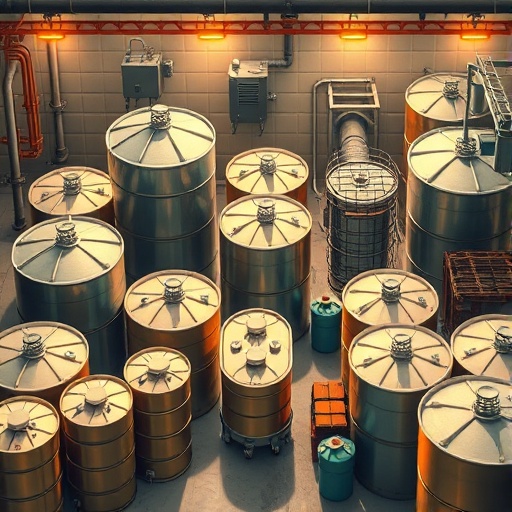
Sensors embedded in oil storage containers stream data on temperature, pressure, and volume to central dashboards. IoT gateways trigger automatic alerts when levels approach limits. Predictive analytics forecast maintenance windows before failures disrupt operations. Remote monitoring reduces site visits in hazardous locations. Integration with enterprise software optimizes ordering and logistics. Battery-powered nodes operate for years without wiring. These connected systems improve accuracy while cutting labor costs across large tank farms.
Sustainable Practices in Oil Storage
Recycled materials enter construction of new plastic containers and tank linings. Solar panels power monitoring equipment on remote oil tanks. Rainwater diversion systems prevent external water from entering containment areas. Bio-based coatings replace solvent-heavy paints on steel surfaces. End-of-life recycling programs recover metals and polymers from decommissioned tanks. Carbon tracking software measures the footprint of storage operations. These practices align business goals with environmental responsibility.
The Impact of Regulations on Storage Innovations
Stricter emission rules push development of sealed oil storage tanks with advanced vapor controls. Spill containment standards drive thicker secondary barriers and better leak detection. International guidelines harmonize design requirements for cross-border equipment. Certification bodies test new materials against updated fire and corrosion criteria. Compliance deadlines accelerate adoption of smart monitoring that documents performance continuously. Manufacturers redesign products to meet evolving codes while maintaining cost competitiveness. Regulatory pressure ultimately spurs safer, more efficient storage solutions across the industry.